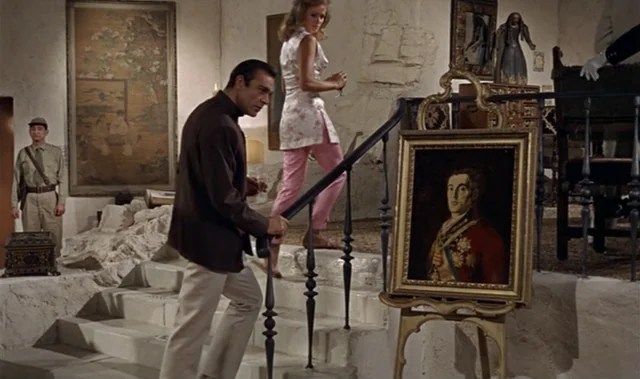
In the early 1960s, a bold, bizarre, and very British art heist captured the public’s imagination. The painting in question was Francisco Goya’s Portrait of the Duke of Wellington, a dignified oil rendering of the military hero who defeated Napoleon at Waterloo. The thief? A 61-year-old retired bus driver named Kempton Bunton. And the setting for one of the most unexpected cameos in cinematic history? The lair of the villainous Dr. No in the very first James Bond film.
It’s a blink-and-you-miss-it detail, but an unforgettable one once you know to look for it: Goya’s Duke of Wellington appears propped casually on an easel in Dr. No’s opulent hideout. At first glance, it seems like standard set dressing—a nod to the villain’s taste for the finer things in life. But to audiences in 1962, this wasn’t just an example of lavish interior design. It was an inside joke—an audacious, knowing wink from the filmmakers that cemented James Bond’s early reputation for stylish cleverness.
The Real Heist
Before its cameo on the silver screen, Goya’s Duke of Wellington had become the centerpiece of one of the most notorious and peculiar art thefts in British history. The painting, completed in 1814, was acquired by the British government in 1961 for £140,000 to prevent its sale to an American collector. But just a few weeks after going on display at the National Gallery in London, it vanished.
At the time, the thief was unknown. Suspicion swirled around sophisticated criminals or international art syndicates. In 1965, a confession came from an unlikely source: Kempton Bunton, a 61-year-old retired bus driver from Newcastle. He turned himself in and claimed he had taken the painting as a protest against the television license fee, which he felt unfairly targeted pensioners and the poor.
Bunton’s trial became national news. Incredibly, he was acquitted of stealing the painting—because the prosecution could not prove he intended to permanently deprive the gallery of it—and was only convicted of stealing the frame.
But the true twist came decades later. In 2012, long after Kempton’s death, it was revealed that the actual thief was his son, John Bunton. John had broken into the gallery through a bathroom window early one morning and taken the painting, while his father later orchestrated the return and took the fall. This revelation added yet another layer of intrigue and humanity to a case already etched into British cultural lore.
A Cultural Sensation
The theft dominated headlines, not just for its audacity but for its eccentric charm. The notion of a working-class man nicking a masterpiece as a form of social protest struck a chord with the British public. It became a pub anecdote, a tabloid obsession, and, remarkably, inspiration for satire and art alike.
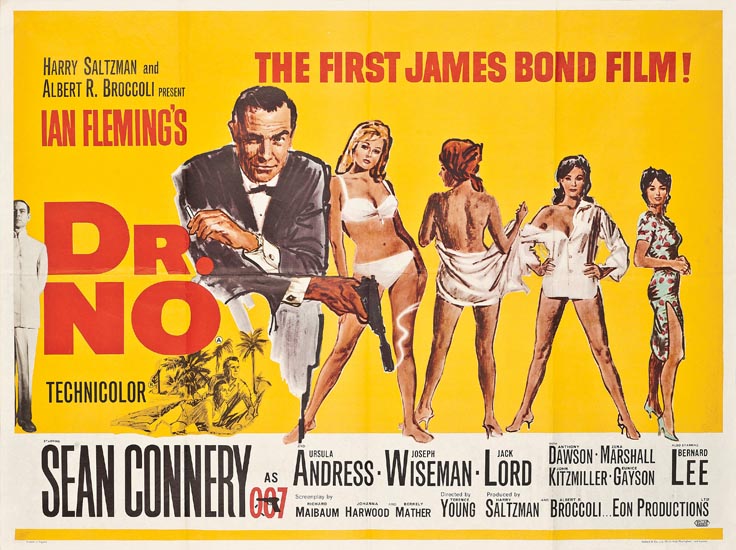
So when Dr. No was released in 1962, with Sean Connery suavely slipping into the role of 007, the presence of the stolen Goya painting in the villain’s lair was more than a quirky background prop—it was a bold cultural reference. Audiences would have instantly recognised it, and the implication was both comic and cutting: that Dr. No, an international maniac with access to nuclear technology, had somehow acquired the same painting the British authorities couldn’t protect.
The Joke That Time Forgot
Today, modern viewers rarely notice this Easter egg. Most don’t recognise the painting, and fewer still know the story of its theft. To the uninitiated, it’s just one more antique in a sea of cinematic decadence. But in its time, the moment was pure Bond—witty, self-aware, and slightly subversive.
It was also, arguably, a reflection of the mood of the era. Britain in the early ’60s was undergoing a shift: old institutions were being questioned, authority challenged, and culture democratised. The Kempton Bunton story, though strange, was emblematic of those changes. That Dr. No chose to nod to this event suggests the Bond franchise was in tune with its time—even as it played in the world of fantasy and espionage.
Legacy and Rediscovery
In recent years, the story of Kempton Bunton has enjoyed a resurgence in public interest, thanks in part to the 2020 film The Duke, starring Jim Broadbent and Helen Mirren, which dramatises the theft with humor and heart. This renewed attention casts the Dr. No Easter egg in a new light, encouraging film and art lovers alike to revisit Bond’s first adventure with fresh eyes.
The inclusion of the Goya painting in Dr. No is more than a footnote—it’s a time capsule. It captures a moment when a single painting symbolised national pride, public outrage, and one man’s unlikely crusade. And it reminds us that even in the most stylised fantasy, real-world details can ground a story in the culture and concerns of its day.
So next time you rewatch Dr. No, keep an eye on the villain’s lair. That painting in the background? It isn’t just decoration. It’s a knowing smirk from 1962—a quiet homage to a very loud moment in British cultural history.
 Kempton Bunton The Musical